


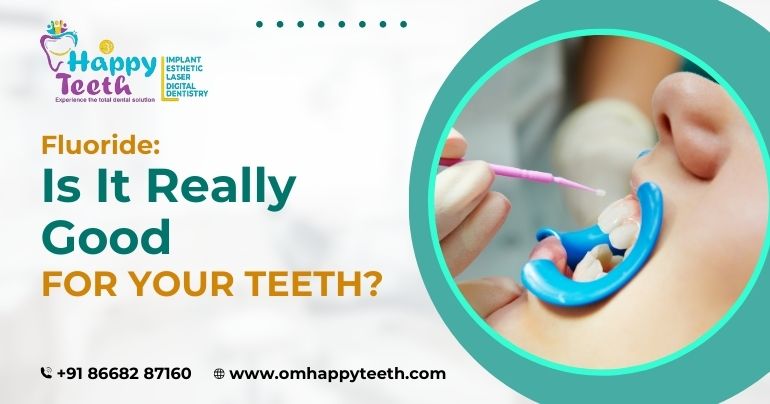
Fluoride is one of those subjects that frequently provokes intense discussion. This naturally occurring mineral has been the subject of debate for decades, ranging from the belief that it is poisonous to sincere worries about its long-term effects on human health. The chaos of social media and unclear reports can easily overwhelm one.
However, what is the absolute truth? The dentist of Hinjewadi from Om Happy Teeth set the record straight. This blog will explain why fluoride is still a key component of contemporary preventive dentistry by delving deeply and separating verifiable scientific fact from popular fiction.
What Exactly is Fluoride? An Essential Mineral
Fluoride is a simple, naturally occurring mineral found all around us. It exists in the Earth’s crust, is present in nearly all natural water sources, and even in the air we breathe. It’s not some synthetic chemical created in a lab; it’s a fundamental part of our environment.
Its importance to human biology is centered on our skeletal structure and, most famously, our teeth. Fluoride plays an absolutely essential role in building and maintaining strong teeth and bones. Its superpower, from a dental perspective, is its ability to directly combat and help reverse the early stages of tooth decay.
Where Does Fluoride Show Up in Our Daily Lives?
Because of its proven benefits, fluoride has been intentionally integrated into several key areas of public health and consumer products:
- Public Water Supply: This is often the most talked-about source. In one of the greatest public health achievements of the 20th century, the process of community water fluoridation was introduced.
- Toothpaste (The Daily Defender): When you brush with fluoridated toothpaste, you are essentially giving your tooth enamel a daily mineral boost. The fluoride works directly on the surface of your teeth, strengthening the enamel structure and making it far more resilient to the acid attacks caused by mouth bacteria.
- Mouthwash: Using a fluoridated mouthwash offers an extra layer of protection. Its benefits extend beyond mere surface strengthening, actively helping remove plaque, significantly lowering the risk of cavities, and reducing the overall population of harmful bacteria in the mouth.
- Certain Foods and Beverages: You consume trace amounts of fluoride through your diet naturally. Common examples include brewed tea and coffee, potatoes, oatmeal, and certain canned shellfish.
Is Fluoride Bad for Your Health? Debunking Myths
Let’s tackle the most common fears and misconceptions head-on. The key to a healthy debate is understanding the difference between a high concentration (used in industry) and the incredibly low, carefully measured concentrations used in dentistry and water supplies.
Myth #1: Fluoride is a poison and should be feared.
Fact: This statement plays on fear by taking a scientific principle out of context. The truth is that any mineral or substance, even essential ones, can be toxic if consumed in absurdly high doses. This is true for table salt, iron, and even water itself! The distinction is in the dose. The amount of fluoride added to community water supplies is meticulously controlled and falls into a range that has been scientifically proven to be both safe and highly effective at preventing tooth decay, posing no risk of poisoning.
Myth #2: Fluoride causes cancer.
Fact: This is a scary claim that has absolutely no support in rigorous scientific evidence. In fact, extensive reviews by major health organizations, including the American Cancer Society, have consistently found no link between water fluoridation and an increased risk of cancer. Conversely, some studies have even suggested that fluoride may play a role in promoting bone health, which is a key part of the human body’s overall function.
Myth #3: Fluoride reduces IQ or harms brain development.
Fact: The idea that fluoride harms a person’s mental capacity is another claim that lacks credible, broad evidence. While some poorly controlled studies have tried to suggest a link, the overwhelming body of peer-reviewed research indicates no such harm. In fact, by eliminating the pain and chronic infection associated with severe tooth decay (especially in children), ensuring a healthy mouth can actually support better focus and learning, potentially offering a subtle beneficial effect on overall mental and school function.
Myth #4: Fluoride makes teeth brittle and prone to chipping.
Fact: This is the complete opposite of what actually happens! The truth is that fluoride actively helps strengthen teeth. It integrates into the structure of the enamel, making the tooth surface harder, denser, and far more resistant to erosion from acids. This process makes your teeth more resilient and less likely to chip or wear down; it is one of the most compelling reasons why fluoride is so good for your oral health.
Myth #5: Fluoride is unnecessary because we can get all we need from a good diet.
Fact: While some foods naturally contain fluoride, it is extremely difficult to consistently get a therapeutically effective amount from diet alone. The level of natural fluoride in food varies wildly, and it would be unreliable to count on it for cavity prevention. This is precisely why fluoride is added to public water supplies and dental products, to ensure a low, consistent, and effective daily dose that is guaranteed to help protect everyone’s teeth.
FAQs
Understanding the general principles is great, but patients often have specific questions. Here are clear answers to your top fluoride inquiries:
- Does fluoride prevent cavities?
Absolutely. Fluoride works by continuously repairing and strengthening tooth enamel (a process called remineralization), making it much more resistant to the acid attacks that lead to decay. It also helps reduce the severity and progression of cavities if they do start to form. - Can fluoride protect against gum disease?
While its primary function is in tooth structure, fluoride can indirectly help. Suppressing and killing the oral bacteria that cause decay reduces the overall microbial load in the mouth. A cleaner mouth means less plaque, which is the direct cause of gum inflammation (gingivitis) and gum disease (periodontitis). - What is dental fluorosis?
This is a visible side effect of excessive fluoride exposure during a child’s tooth development. It typically results in very mild, barely noticeable white spots or streaks on the tooth enamel. Crucially, mild dental fluorosis is a cosmetic issue only and does not negatively affect the health or function of the teeth. - What are the main risks of using fluoride?
The primary risks are linked to chronic, excessive intake. The most severe (and rare) risk is skeletal fluorosis, which affects the bones and only occurs in people exposed to extremely high fluoride levels for decades. For the average person using fluoridated water and toothpaste, the risks are relatively low, and the widely acknowledged benefits of preventing tooth decay significantly outweigh the risks. - What precautions should I take?
Moderation is key. If you have concerns about overexposure, talk to your dentist. For young children, the most important precaution is supervised brushing: use only a pea-sized amount of fluoride toothpaste for kids under age six, and ensure they spit it out after brushing instead of swallowing. Do not swallow fluoride mouthwash.
Visit The Dental Clinic in Hinjewadi- Om Happy Teeth
Fluoride has saved countless teeth and remains one of the safest and most effective tools we have in the fight against dental disease.
If you still have specific concerns about your fluoride intake, or if you want personalized advice on the best dental products for your family, please don’t hesitate to talk to the dentist of Hinjewadi at Om Happy Teeth, which is considered to be one of the best dental clinic in Hinjewadi. We provide clear, personalized guidance and help you develop a treatment and prevention plan that’s exactly right for you.